About WSYH Addiction Treatment

A Rancho Cucamonga treatment center built by a family who knew firsthand what silence costs — and committed to making sure fewer families pay that price.

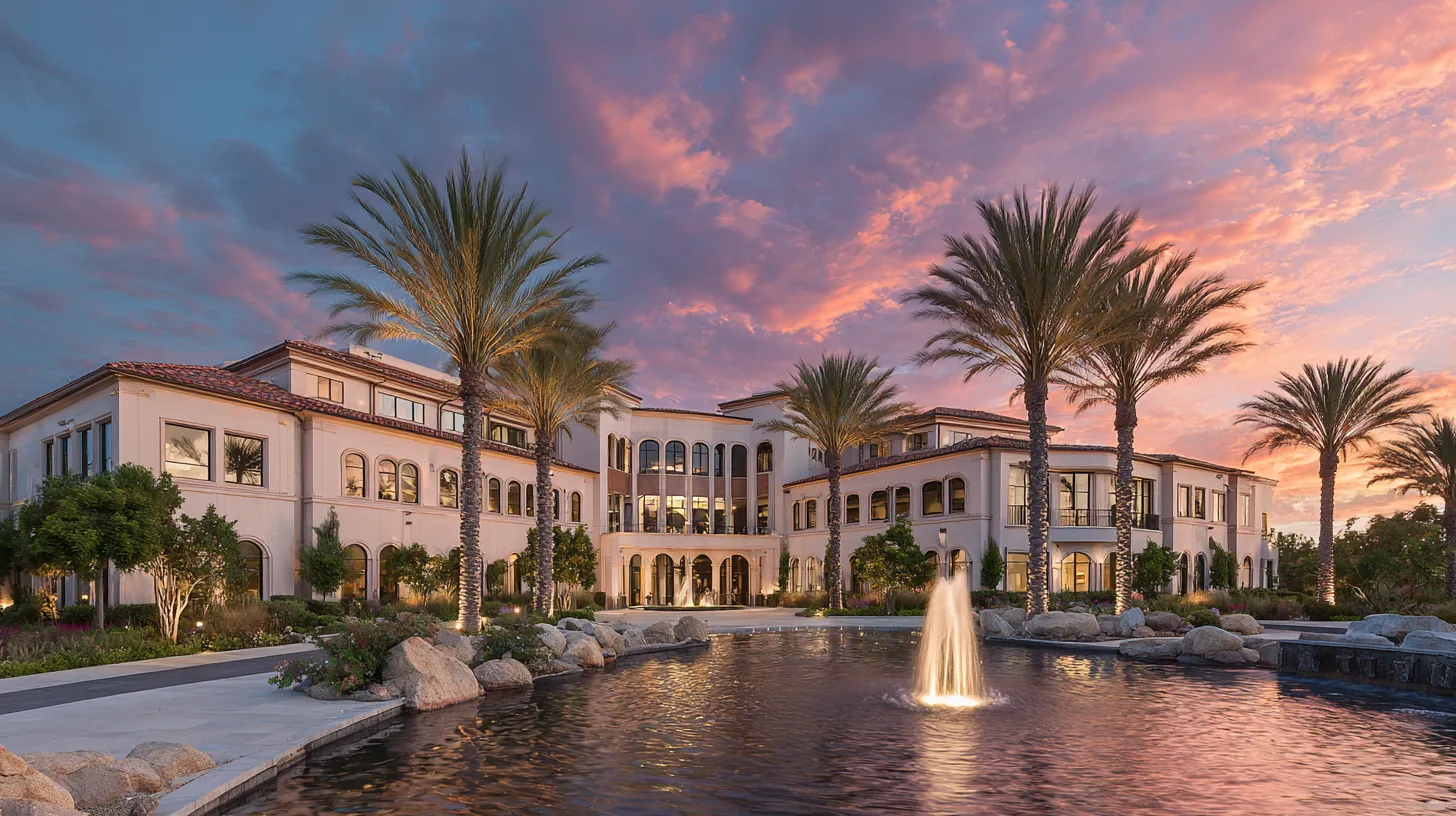
WSYH Addiction Treatment facility exterior
WSYH Addiction Treatment founding

Our Story

In 2004, the Wilson-Saheed family of Rancho Cucamonga lost their 24-year-old son to a fentanyl-laced counterfeit pill. What they remembered clearly — and what motivated everything that followed — was that in the two years before his death, nobody in their extended network had felt comfortable naming what was happening. Friends changed the subject. Relatives offered "he just needs to make better choices." Even their own pediatrician had skirted the topic when their son had raised concerns about himself.

In 2005 they opened WSYH Addiction Treatment (Wilson-Saheed Yusuf Harold, their son's full name) on Haven Avenue with a simple operating premise: we will name this condition clearly, treat it with clinical rigor, and refuse the silence that killed our son.

Twenty years later, we operate 35 beds with 69 staff and have served more than 9,800 patients. Mrs. Wilson-Saheed still chairs our family advisory council and sits in on the monthly family orientation night for every new cohort of families.
Our Mission

Whole-person transformation. Not symptom management, not white-knuckle abstinence — genuine rebuilding of the patient's relationship to themselves, their family, their work, and their future. We measure this in twelve-month outcomes, not thirty-day completions, and our program design reflects that standard.

Treatment Philosophy

Family systems theory. Addiction develops in a relational context and recovers in one. Our treatment plans map the family system — roles, communication patterns, pressure points — and bring the household into the work from week one.

Neuroscience-based care. Our clinicians are trained in current addiction neurocircuitry research. Interventions match what the brain actually needs at each phase — detox, acute recovery, extended recovery — rather than applying a fixed template.

Motivational enhancement. Lasting change is internally motivated. Our clinicians use Motivational Interviewing at every level of care to draw out and strengthen the patient's own reasons for change — not impose external pressure.

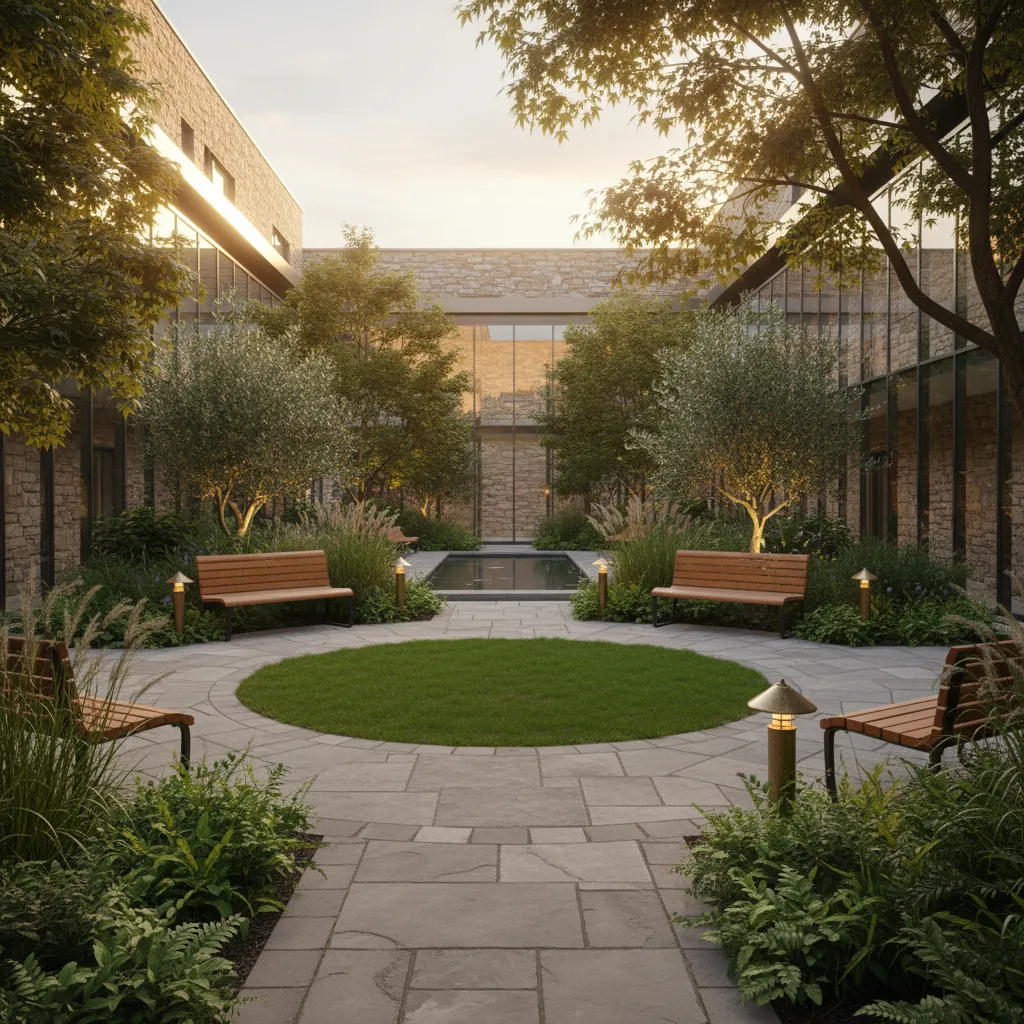
Therapy session at WSYH Addiction Treatment

Our Team

Dr. Phoebe Wilson-Saheed, MD

Medical Director & Family Council Chair

Younger sister of the son the center was named for. Returned to UCLA for medical school after her brother's death, specialized in addiction medicine, and joined WSYH as medical director in 2017. Board-certified.

Dr. Bartholomew Keene, DO

Addiction Psychiatrist

Board-certified addiction psychiatrist. Leads dual diagnosis care and psychiatric medication management for co-occurring conditions. EMDR-certified.

Carmelita Zaragoza-Villar, LMFT

Director of Family Programming

Licensed marriage and family therapist with a specialty in family systems theory. Bilingual Spanish/English. Runs weekly family sessions and the monthly family orientation night.

Dr. Tobias Ngwenya, PsyD

Director of Clinical Psychology

Licensed psychologist. Oversees ACT, psychodrama, and trauma-informed protocols across all levels of care. Trains clinical hires.

Odessa Bright-Powell, RN, BSN

Director of Nursing

Eighteen years of acute-care nursing before joining WSYH. Trains every nursing hire in trauma-informed bedside practice.

Ernesto "Nesto" Castellanos, CADC-II

Alumni & Peer Support Lead

Personally in long-term recovery; WSYH alumnus from 2011. Runs alumni programming and the peer mentor pairing system.

What Our Alumni Say

"Getting into treatment at 22 meant I didn't lose my twenties to this. That's the part I'm most grateful for."

— Jaden P., young-adult-turnaround arc

"I went because my daughter asked me to. I stayed because the team treated me like a person with a medical condition, not a failure. That was new."

— Alistair F., reluctant-starter arc

"The family sessions gave me a language I didn't have before. My wife and I came out of treatment with more tools than we'd had in fifteen years of marriage."

— Marcus H., spouse-gratitude arc

Begin Your Journey to Recovery

Our compassionate team is ready to help you take the first step.